
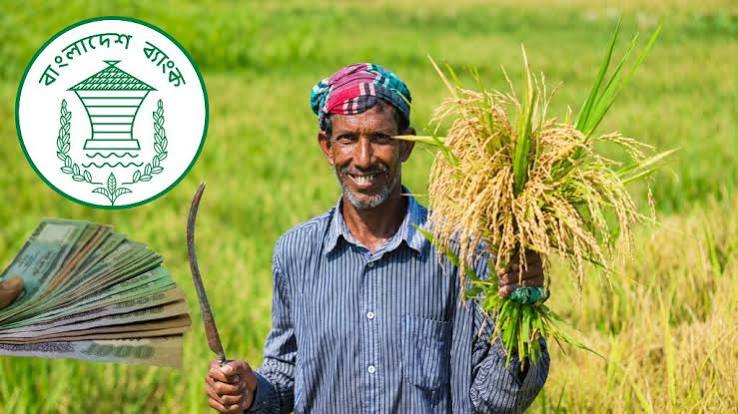
The central bank has moved to support the farming sector, which is being hit hard by climate change, and to encourage environmentally friendly farming methods.
On 20 November 2026, Bangladesh Bank instructed all banks in the country to increase lending to the “climate-smart” or climate-resilient agriculture sector.
To ensure that marginalised farmers in disaster-prone and coastal regions can access agricultural loans easily, without interference from middlemen or brokers, the central bank has urged banks to distribute loans through public events held at the union level.
Key points of the directive
The new instruction from Bangladesh Bank’s Agricultural Credit Department focuses on sustainable farming and environmental protection:
- Priority for adaptive farming: Banks are asked to offer low-interest loans for salt-tolerant rice and crops, drought-resistant varieties, floating agriculture in waterlogged areas, and solar-powered irrigation systems.
- Transparency and inclusion of marginalised farmers: To make sure loans reach the farmers who have genuinely suffered losses, banks must coordinate with the local Department of Agricultural Extension and hold public loan distribution events at Union Parishad offices. The move is also expected to encourage farmers to use organic fertiliser instead of chemical fertiliser and to grow crops that need less water.
Green Page view
In an agricultural country like Bangladesh, the first step in tackling climate change is to support farmers, both financially and with access to modern technology.
Green Page considers this initiative by Bangladesh Bank highly commendable. However, strict oversight is essential so that banks do not simply meet numerical targets on paper, but make sure these loans actually reach marginalised farmers and sharecroppers in the areas worst affected by disasters.