
The world is using strict laws to protect the delicate ecosystems of the oceans and to stop careless deep-sea mining.
On 4 November 2026, the International Seabed Authority (ISA) and the United Nations’ International Tribunal said they would start a new legal system to stop deep-sea mining unless there are clear international environmental rules and agreements. This international dispute has taken on a new dimension against the backdrop of threats to marine biodiversity and rising ocean temperatures.
Key findings and disagreements in business: Recent checks by global groups show the conflict between taking care of ocean life and the business aims of different countries:
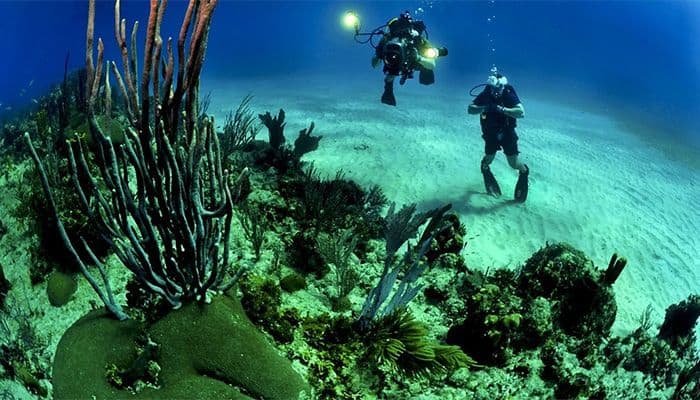
Risk of destroying sensitive marine life. Ocean scientists have warned that digging for deep-sea minerals like nickel, cobalt, and copper could hurt ocean life. This could damage ecosystems, rare species, and carbon sinks in oceans all over the world, including the Bay of Bengal.
The agenda for the COP31 conference places significant emphasis on ocean conservation and the “30×30” target (protecting 30% of land and oceans by 2030). Environmental leaders are pushing for a halt to all deep-sea mining until clear laws are set and a global ban is announced.
Conclusion and Green Page’s View: Risking the unknown life in the deep sea for profit is a harmful choice for humanity.
Green Page maintains that commercial exploitation—whether in outer space or on the ocean floor—cannot be accepted without environmental oversight. Saving the oceans is, in essence, safeguarding our planet and the balance of the global climate.