

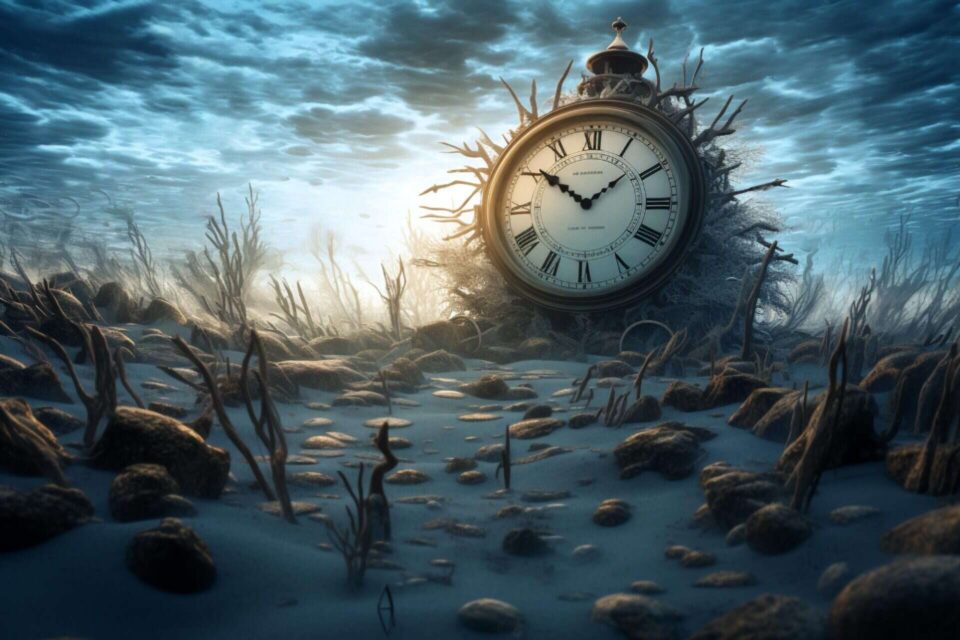
The danger of waking up frozen microbes
The United Nations Environment Programme (UNEP) has uncovered an unexpected and potentially catastrophic aspect of environmental upheaval.
The agency’s report, ‘Frontiers 2025’, warns that climate warming could melt Arctic permafrost, potentially reactivating ancient microbes that have been dormant for thousands of years. “Box” for protecting the environment and promoting public health.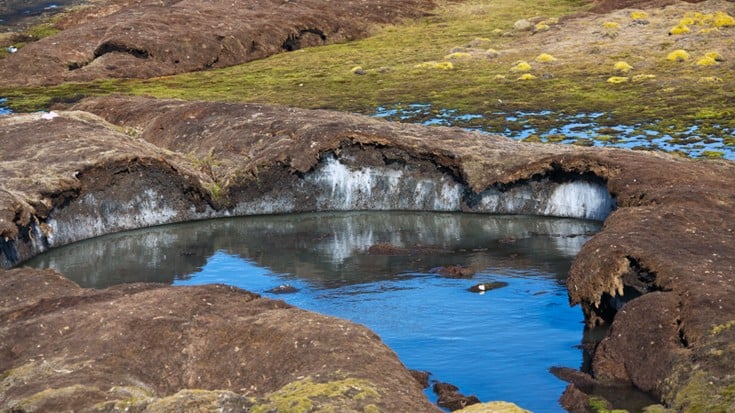
Permafrost holds many types of microbes, including unknown viruses and bacteria.
Melting ice can allow microorganisms to spread to new areas, disrupting local communities, harming biodiversity, and potentially leading to new outbreaks of pathogens. Current public health systems are not prepared to deal with this risk.
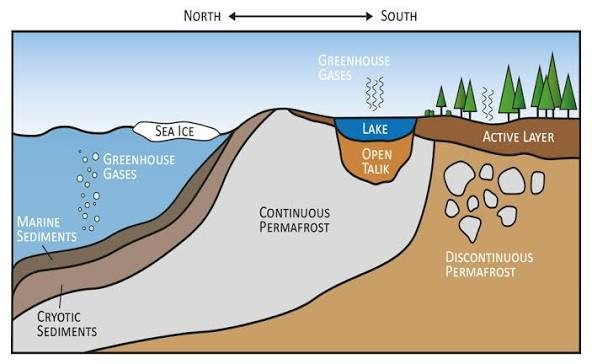
This warning shows that climate change affects more than just rising temperatures; it has wide-ranging and unexpected effects.
Scientists are urging the study of microorganisms in the cryosphere (frozen regions) and are raising awareness about their potential risks to the international community.