

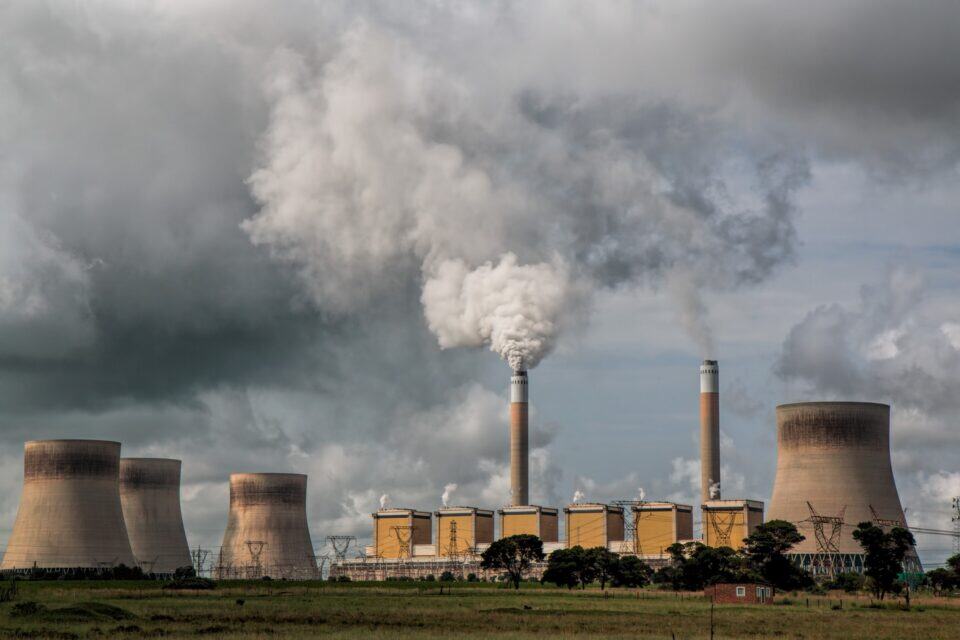
Are Environmental Crimes Acknowledged Enough?
Climate change and environmental destruction are viewed not just as ecological problems, but also as significant causes of human suffering and social unrest. Destruction of ecosystems can become a powerful instrument of domination or displacement. Environmental change can often be subtle, resulting from small-scale neglect, state development projects, or policies that overlook the cultural and sustenance needs of marginalized groups.
Ecocide is a concept that is still yet to become very relevant in the climate change and environmental annihilation context. A 2021 expert panel from the Stop Ecocide Foundation proposed defining ecocide as illegal if it poses a significant risk of causing widespread or long-term severe environmental damage, even though it is not yet included in the Rome Statute.
Unlike genocide or crimes against humanity, ecocide focuses on the damage to ecosystems rather than on harm to human groups. States like Vanuatu and the Maldives have suggested ecocide as an international crime but critics have pointed out that Without a careful draft, ecocide would be indistinguishable.
Article II(c) of the Genocide Convention criminalizes the intention to destroy a group, either fully or partially. International law interprets this narrowly, requiring evidence that the perpetrator intended to destroy the group through specific actions.
To satisfy Article II(c) it is possible that environmental destruction occurs provided:
- The damage targets a safe population.
- The severity of the damage poses a danger to survival, and
- the destruction was clearly planned by the perpetrators.
This poses a high evidentiary burden. Structural environmental harms, such as large dams or industrial projects, can severely impact communities, but proving intent to commit genocide is challenging.
Genocide and crimes against humanity can help hold entities accountable, but they do not address environmental destruction caused by companies or states in peacetime. The proposed international crime of ecocide aims to criminalize significant and long-lasting environmental damage that threatens human life and well-being.
Understanding or neglect of environmental destruction, its impact, and potential harm to human populations and ecosystems. Ecocide offers a legal and ethical framework to hold individuals accountable for environmental harm, unlike the more punitive intent associated with genocide.
In 1962, the Karnaphuli River in Bangladesh caused the creation of the Kaptai Dam, flooding 54,000 hectares of land and displacing about 100,000 indigenous people, mainly from the Chakma and Jumma communities, with minimal compensation or resettlement.
There were several effects of the dam. Disruption of livelihoods and flooding submerged arable land, farmlands, fish ponds, and forests crucial for local subsistence. This impacted villages, religious sites, and burial grounds, weakening the traditional community system and creating lasting resentment over low wages in the Chittagong Hill Tracts. Kaptai represents a form of structural environmental violence, embodying a profound atrocity.
The project initiated by the state accidentally inflicted mass injury, which was disproportionately represented by a minority group. Genocide intent is hard to prove legally, but this case shows how environmental destruction from development can create conditions similar to those outlined in Article II(c) of the Genocide Convention.
Environmental policies often focus on economic or developmental goals, making it difficult to demonstrate that they intentionally harm a specific group. The harms of structural environments have long-term effects. It is difficult to determine the existence of a direct causal connection between the act and physical damage.
The ICC only tries individuals, which is why there are loopholes in the matter of corporate liability or state-directed injury. Emerging ecocide doctrines focus on recklessness or ignorance in causing environmental harm, rather than the intent to destroy a group.
Environmental destruction and climate change are both triggers and tools for mass destruction. The Kaptai Dam shows how large development projects can negatively affect minority communities, highlighting a form of structural violence that challenges existing legal frameworks.
New legal theories like ecocide can improve accountability by emphasizing knowledge, recklessness, and the severity of harm rather than strictly focusing on the intent required for genocide.