

Geneva Conference and Next Steps: New Hope for a Plastic-Free Global Agreement by 2026
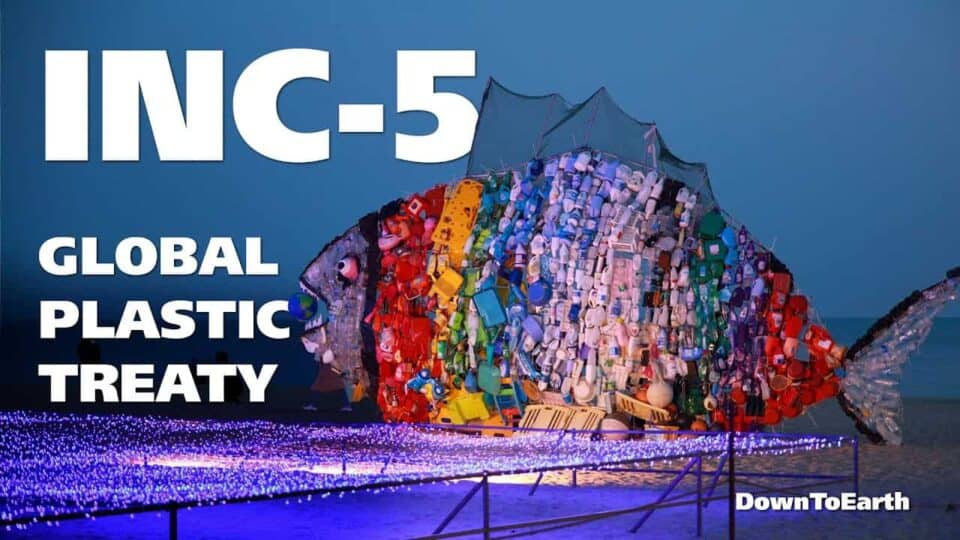
The UN-proposed ‘Global Plastic Treaty’ to end global plastic pollution reached a crucial juncture at the end of 2025. The INC-5.2 talks in Geneva in August ended without a final decision, but will resume in February 2026.
The agreement aims to establish a legally binding international framework for plastics, covering design, production, and waste management.
Currently, the world produces 460 million tons of plastic annually, of which only 9% is reused or recycled. If urgent action is not taken, the amount of this waste will triple to 1.2 billion tons by 2060.
Over 160 financial institutions with $15.5 trillion in assets have joined an initiative stating that no investment can be sustainable without strict global standards to decrease plastic production. Even major companies like Unilever have now taken a stand in favor of the refill and reuse model.
The main obstacles to the agreement are a few countries and fossil fuel lobbyists who prioritize recycling over reducing plastic production.
South Africa and other developing nations urge a “Just Transition” that protects the jobs of workers in the plastics industry and supports the poor. UNEP Executive Director Inger Andersen stated that the world is striving to eliminate the toxic plastic problem, emphasizing that the agreement must have no loopholes.
If the agreement in 2026 is successful, it will be humanity’s biggest achievement in environmental protection since the Paris Climate Agreement. A campaign to ban ‘single-use plastics’ has now been intensified around the world to raise public awareness.