

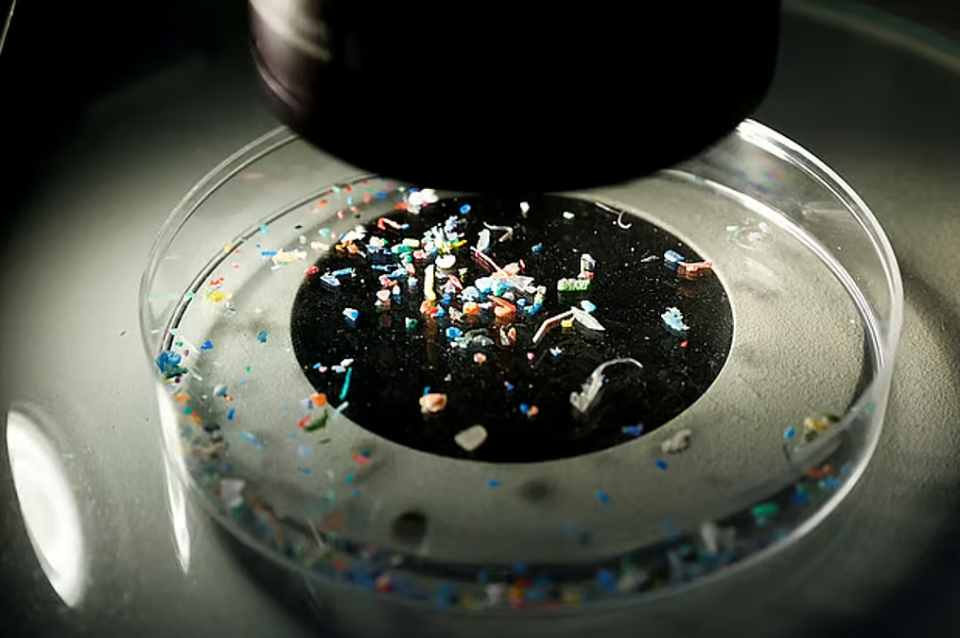
Plastic pollution is no longer confined to oceans or animals. In a recent breakthrough study in international medical science, researchers have for the first time detected microplastics and nano plastics inside the human brain, heart, and blood. This alarming discovery has deeply concerned the World Health Organization (WHO).
Findings and Health Risks
- Daily exposure: Humans unknowingly ingest plastic particles through breathing, drinking water, and packaged food.
- Brain penetration: Nano plastics are so tiny that they can cross the blood‑brain barrier, entering directly into the brain.
- Disease risks: Scientists fear these particles may increase the likelihood of neurological disorders, Alzheimer’s disease, and heart problems. Chemicals attached to plastics may also cause DNA mutations.
The Stark Reality
We are literally eating and breathing plastic. Without a complete ban on single‑use plastics, humanity has no alternative path forward.
This discovery is not just a scientific milestone — it is a global health emergency that demands immediate policy action and lifestyle change.