

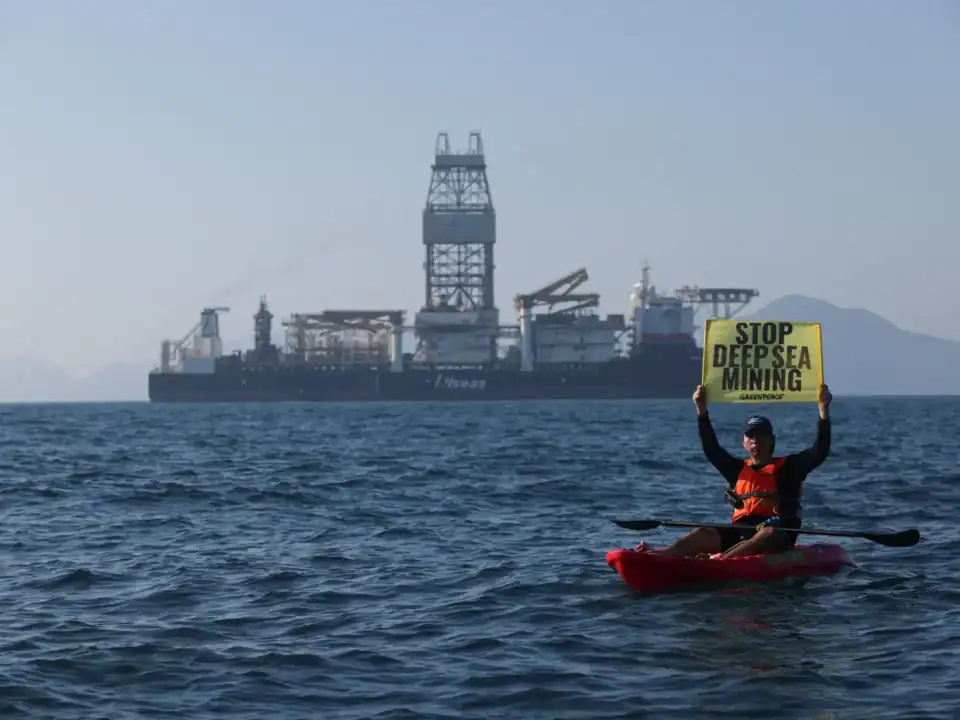
The ocean floor has become more exciting and controversial than space exploration. In early 2026, a major conflict has emerged between world politics and environmentalists over the ‘Clarion-Clipperton Zone’ (CCZ) in the Pacific Ocean. It is being called the ‘Deep-Sea Mining Gold Rush’.
To satisfy the rising demand for nickel, cobalt, and manganese for electric car batteries and smartphones, major corporations are competing to gather mineral nodules from 4-6 kilometers underwater.
According to scientists, these deepest parts of the ocean are the last ‘untouched’ ecosystems on Earth. Microorganisms and animals live here that are not found anywhere else on Earth. A study from January 2026 revealed that sediment plumes from deep-sea mining can extend for thousands of kilometers.
Not only does it suffocate marine life, it also reduces the ocean’s ability to absorb carbon. In the wake of this news, 20 countries have already called for a ‘global moratorium’ on deep-sea mining.
These minerals are extremely valuable economically. One estimate suggests that the lithium and cobalt in the Pacific Ocean could satisfy global battery demands for the next 100 years. But the environmental damage to these profits could be irreparable.
In 2026, the International Maritime Authority (ISA) is under immense pressure—will it allow commercial mining or prioritize environmental protection? The debate is now at the heart of global diplomacy. This battle on the dark ocean floor will determine how ‘green’ the source of future technology will be.