
There is no more worry for farmers in the Northern part of Bangladesh in this drought season of 2026. The fear of diesel price hike or load shedding is now a thing of the past.
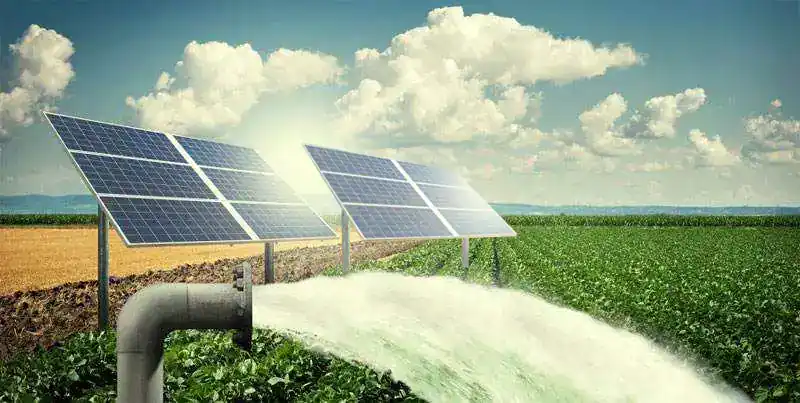
Under the government’s ‘Solar Energy in Irrigation System 2026’ project, around 80 percent of irrigation pumps in North Bengal now use solar power. This has lowered costs for farmers and is helping to cut carbon emissions in Bangladesh.
Our study on diesel and solar power found that it used to cost farmers Tk 3,000 to water one bigha of land. By 2026, this cost has dropped to only Tk 500 because of solar pumps.
These pumps are connected to the smart grid. When there is no need to water crops, the extra electricity made by the pumps goes straight to the national grid. Farmers make extra money from this.
Environmental Impact: The smoke and loud noise emitted from diesel pumps used to poison the peaceful environment of North Bengal. That pollution was completely stopped in 2026.
Also, ‘Sensor-Based Water Management’ is now included in the solar pump. It releases water when the soil needs it. This makes it possible to prevent the groundwater level from falling excessively.
Economic Liberation: The government is saving billions of dollars in fuel imports. The Department of Agricultural Extension says that in 2026, this change lowered the cost of rice production and brought back stability to the rice market. North Bengal has now become the heart of modern eco-friendly agriculture.