

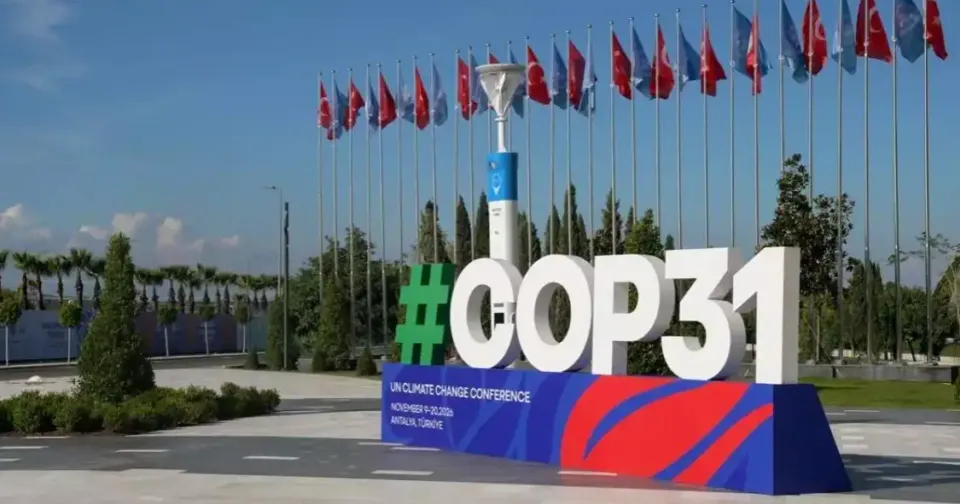
On the sixth day of COP31 in Antalya, Turkey, developed and developing countries strongly disagreed about the rules for a global carbon market
On 15 November 2026, during discussions to finalize the rules for trading carbon credits under Article 6 of the Paris Agreement, the G77 bloc—representing developing nations—and the Least Developed Countries (LDCs) took a firm stance.
They argue that industrialized nations are attempting to evade their responsibilities; instead of reducing carbon emissions domestically, these countries are purchasing forests and green projects in the developing world to offset their own emissions.
Key issues and diplomatic tensions: The technical discussions at the conference have centered on ensuring transparency in the carbon market and upholding human rights:
Preventing ‘greenwashing’ and establishing strict standards: Environmental organizations and climate researchers have warned that multinational corporations are exploiting weak policies to engage in ‘greenwashing’ through the use of fraudulent carbon credits. Developing countries want direct UN control over carbon credit trading. They also want a required review of the environmental and social effects of each project.
Rights of Indigenous and Local Communities: Many people want laws to protect local farmers and Indigenous groups in developing countries from being removed from their lands and forests for carbon offset projects.
Conclusion and Green Page perspective: Carbon trading can never serve as a substitute for phasing out fossil fuels and achieving genuine reductions in carbon emissions.
Green Page thinks that the rules for Article 6, which will be set at the COP31 conference, should make sure that financial help goes to the real green changes in developing countries and helps local people live better—instead of giving wealthy nations a way to pollute.