
Drought and the ‘soil microbiome’ crisis in global agriculture
Drought and intensive farming in tandem: Global food security in the face of the destruction of the ‘soil microbiome’ of farmland
The combined effects of climate change-induced drought and intensive farming practices on farmland worldwide are severely damaging the diversity of soil microbiomes. The collapse of this silent but essential ecosystem in the soil is pushing global food security into a new and profound crisis.
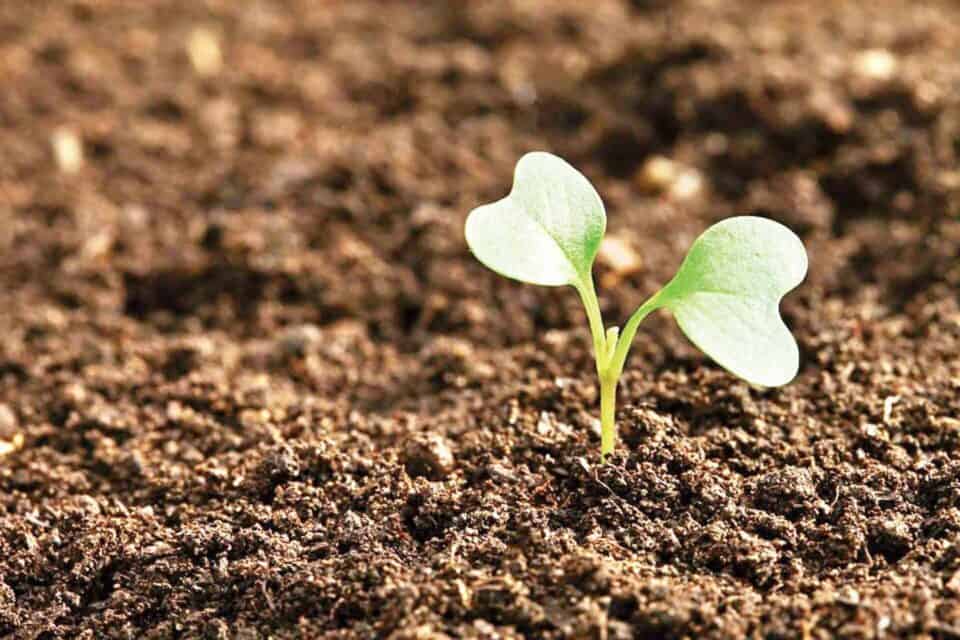
The soil microbiome is crucial for crop nutrient absorption, carbon storage, and maintaining soil fertility. When drought conditions intensify, soil microorganisms begin to die. On the other hand, excessive fertilizers and pesticides used in industrial agriculture poison these natural microorganisms.
A study published in the journal Nature Sustainability has shown that a decrease in microbial diversity in a given agricultural field can reduce crop yields by up to 20%, even with the same amount of fertilizer.
To combat this natural ups and downs, scientists are now focusing on ‘regenerative agriculture’ or regenerative farming methods.
This method restores soil carbon storage and microbial diversity by improving soil health, using less tillage, and using cover crops.
International agricultural organizations have called for new policies and financial incentives to encourage farmers to adopt such environmentally friendly practices.