

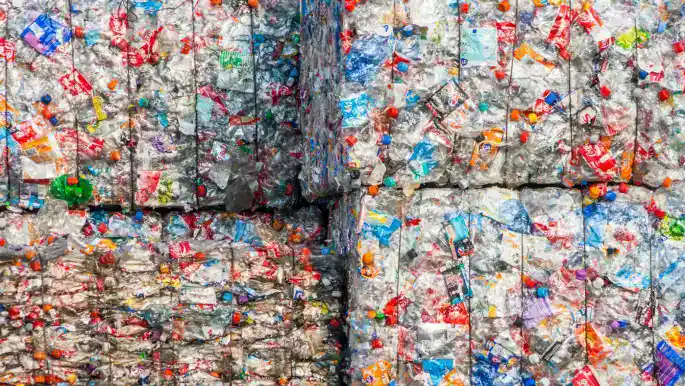
There is a strong global push to increase recycling and the reuse of plastic to reduce plastic waste. However, in May 2026 the United Nations Food and Agriculture Organization (FAO) published a startling and cautionary report. According to the FAO, without proper scientific standards and strict oversight, the use of recycled plastic in food packaging is placing human health at grave risk.
Chemical migration and health risks: FAO food‑safety officials say that when plastic is recycled repeatedly, its molecular structure weakens. As a result, harmful chemical components contained in the plastics such as phthalates and bisphenol‑A (BPA) can more easily migrate into the food inside the packaging (chemical migration).
- Contamination: In many cases, plastics collected from dustbins or hospitals are not properly sterilized before being fed into ordinary recycling processes and are then used to make food containers or bottles.
- Long‑term illnesses: Consuming food that has been in contact with such contaminated plastic greatly increases risks of hormonal disorders, reduced fertility, and deadly diseases like cancer.
Market size and regulator role: The global food‑packaging market is projected to grow from $505 billion in 2024 to $815 billion by 2030. To ensure the safety of this vast market, the FAO and the European Commission are jointly developing new guidelines. They recommend that plastics intended to contact food should be only “food‑grade” and fully traceable.
We must not solve one problem only to create another major health crisis. Modernizing recycling systems and rapidly shifting toward environmentally friendly packaging alternatives such as glass, paper, or bamboo should be prioritized.