

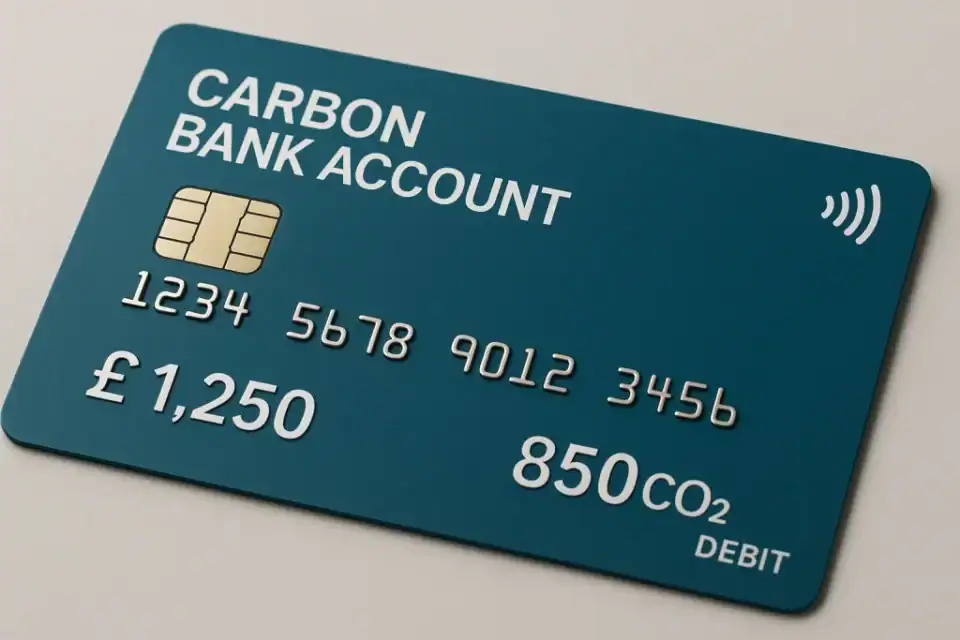
People in Bangladesh’s coastal districts are no longer dependent on fishing or farming alone. In 2026, coastal forestry has transformed into a ‘carbon bank.’
The ‘Carbon Credit Distribution’ project, made with help from the government and international groups, allows coastal people to earn money each month for the trees they plant.
How do carbon credits work? About 50,000 hectares of new mangrove planting has happened in the coastal areas of Shyamnagar, Satkhira, and Koira in Khulna, Bangladesh. The amount of carbon absorbed by these forests each year is measured through satellites.
In this 2026 project, each family has been given responsibility for 5 hectares of forest. They protect the forest and, in return, receive “carbon dollars” in a digital wallet.
Our research shows that every family is making extra money of Tk. 80,000 to Tk 1 lakh each year just by keeping the trees alive.
Living wall against cyclones: This forest area in 2026 is making money and also serving as a strong wall.
When the powerful cyclone ‘Rem-2’ hit the coast in 2025, this dense forest reduced the speed of the waves by 70 percent. As a result, coastal embankments were not broken and there was almost no loss of life and property.
Social change: As a result of this project, the rate of tree felling in the coastal areas has come down to zero. People have now realized that cutting trees once makes money, but keeping trees alive makes money every year. This is the most successful social model in the history of ‘Green Economy’ in Bangladesh.