
Nano sensors for carbon tracking in forests: Successful use of nano sensors in tree cells
Measuring how fast and how much forests absorb carbon dioxide has been a significant challenge for climate modelers.
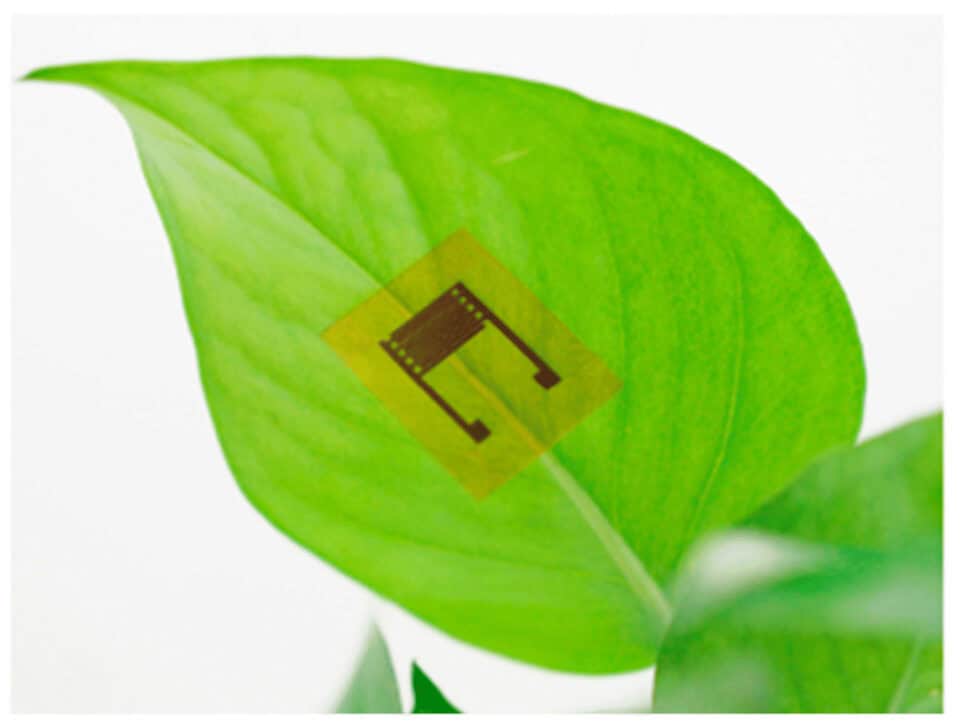
Researchers at Caltech have created an innovative nano sensor system that monitors carbon absorption in real-time by entering tree leaf cells.
These nano sensors are made of extremely small carbon nanotubes, which are placed near the chloroplasts of the leaves. They convert the movement of carbon dioxide during the process of photosynthesis into electrical signals.
Scientists used this data to accurately determine the carbon absorption capacity of both a single tree and an entire forest. The study’s results, published in the Journal of Plant Science, are more accurate than traditional satellite or tower carbon measurement methods.
This technology could be a game-changer for the carbon trading and offset market. Nano sensors can help companies easily and reliably verify the authenticity of the carbon credits they purchase.
In the future, this technology could also be used to understand when trees are stopping carbon absorption or emitting it due to environmental changes, droughts, or rising temperatures, which could help us take faster action to combat climate change.