
The United Nations has taken an important step to heal the world’s harmed nature and wildlife due to climate change, extreme droughts, and careless land damage.
Protecting the global environment and ecosystems: UN announces three new ‘World Restoration Flagships’ and historic initiatives to combat desertification
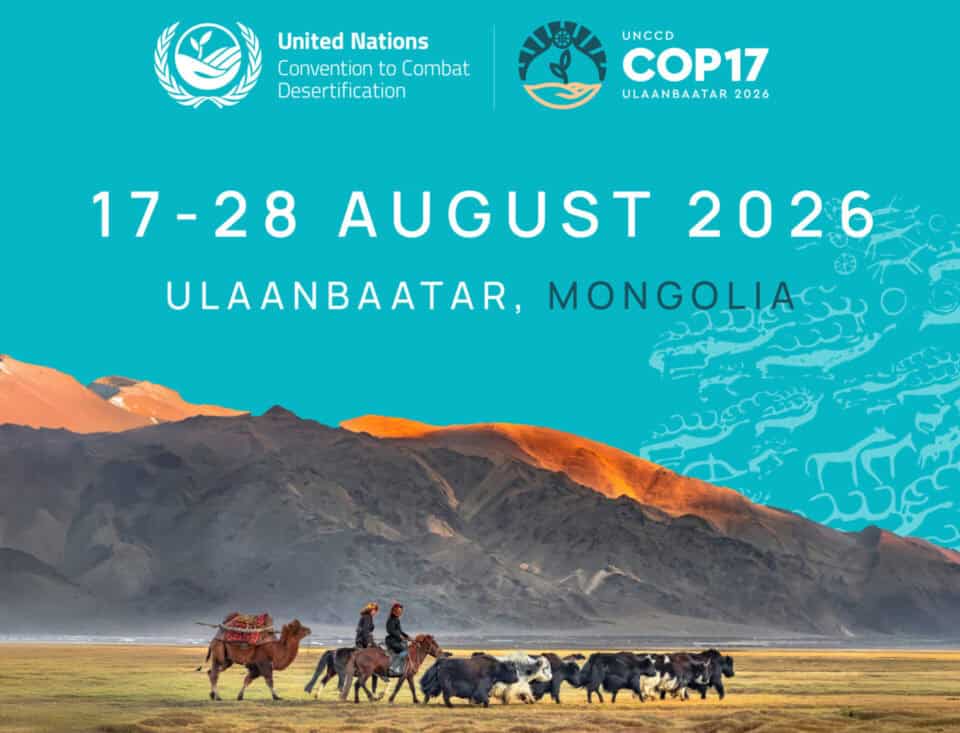
Three important environmental efforts from Brazil, the Sahel in Africa, and Saudi Arabia have been named ‘World Restoration Flagships’ for their excellent contributions to protecting the environment and climate. This was done at the UN Convention to Combat Desertification (UNCCD COP17) in Ulaanbaatar, Mongolia.
The recognition was given under the ‘United Nations Decade of Ecosystem Restoration (2021–2030)’ programme, a joint initiative of the United Nations Environment Programme (UNEP) and the Food and Agriculture Organization (FAO).
Award-winning initiatives and environmental profiles:
To respond to the growing global drought and food security concerns, these three major initiatives want to restore almost 5 million hectares (which is like 7 million football fields) of damaged land:
Recovering damaged land in Brazil: Planting local plants and restoring forests in affected areas of the Amazon and Atlantic Forests helps to increase carbon capture.
Sahel Integrated Resilience Initiative: Over 300,000 hectares of land have been fixed to help the environment and create strong farming systems in the Sahel region of Africa (Burkina Faso, Chad, Mali, Mauritania, and Niger), which has faced conflict, drought, and severe hunger.
Saudi Arabia’s Greening Program: Led by the country’s National Center for Vegetation Development and Desertification Control, the country has restored nearly 1 million hectares of degraded land and planted more than 159 million trees in desert areas. Rainwater harvesting and wastewater recycling have helped restore native wildlife such as the Arabian Oryx and gazelle to the arid region.
The problems with small and large ecosystems are very important worldwide. UN experts at the conference said that land damage, drought, and the destruction of ecosystems are more than just usual environmental issues; they are major threats to food security, clean water, and economic stability.
These initiatives are directly contributing to the global target of restoring 1 billion hectares of degraded land worldwide by 2030.
Conclusion and Green Page’s view: It’s not just talking about ideas that can save nature. Real scientific work to restore the environment can make the world livable.
Green Page feels that nature-focused solutions and major efforts in dry and climate-affected places, such as Saudi Arabia or the Sahel, can inspire other nations.