

Reducing carbon emissions from the transportation sector is the biggest challenge to protect the environment. In early 2026, a groundbreaking advancement in battery technology is transforming electric vehicles (EVs) permanently.
Japan’s Toyota and South Korea’s Samsung SDI have announced the successful start of commercial production of a solid-state battery. This technology is seen as the leading clean-tech innovation.
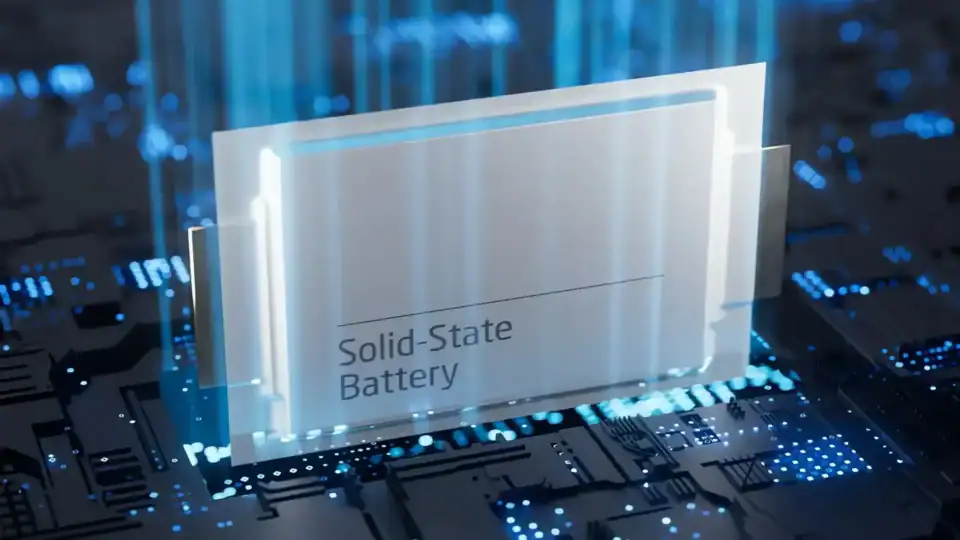
Current lithium-ion batteries use liquid electrolytes that can overheat and catch fire, and they have limited energy density. Solid-state batteries use solid electrolytes, making them safer and able to store twice the energy of lithium-ion batteries.
A new battery technology is expected to launch in 2026, allowing electric cars to fully charge in 10 minutes and travel 1,200 to 1,500 kilometers on a single charge. It completely eliminates the limitations of gasoline or diesel-powered cars.
The environmental benefits of this innovation are huge. The increased weight of the battery has improved the car’s efficiency and reduced micro-plastic pollution from wheel wear. Second, the use of cobalt in solid-state batteries has been greatly reduced.
The cobalt mining process has long been accused of serious environmental pollution and human rights violations. In 2026, battery companies are now using ‘AI-discovered’ new mineral compounds that are environmentally friendly and easily recyclable.
This is also starting to have an impact on the global economy. Many European countries have brought forward the deadline for the sale of new gasoline cars by 2026. Trillions of dollars are being invested in charging station infrastructure to use solar and wind power for direct battery charging.
However, to meet the growing demand for lithium, scientists are now working on technologies to harvest lithium from seawater. This triumph of solid-state batteries proves that technological innovation can balance environmental protection and human comfort.