
In 2026, a significant breakthrough occurred at Kaptai Lake that addressed Bangladesh’s energy crisis by generating renewable energy without compromising agricultural land.
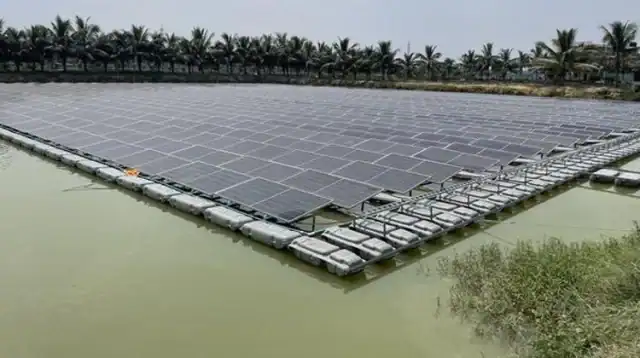
The country’s first large-scale ‘Floating Solar Power Plant’ with a capacity of 50 MW has been launched there. It not only provides electricity, but also plays a unique role in protecting the ecosystem of the lake.
One of the major advantages of these solar panels floating on the lake water is that they prevent water evaporation.
This helps keep the lake’s water level stable in winter, boosting the Kaptai Hydro-Electric Project’s production capacity. Researchers discovered that cold water beneath solar panels keeps them cool, boosting efficiency by 10-12 percent.
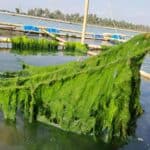
There were widespread concerns that the panels might be detrimental to fish populations. But preliminary studies in 2026 showed that the shaded areas under the panels act as a safe haven for fish. The growth of algae there has been controlled, increasing the reproductive capacity of fish.
The government aims to deploy floating solar power plants in all major wetlands and haor areas by 2030. This will strengthen Bangladesh’s ‘green energy grid’ and set a unique example in combating the effects of climate change.