

Dr. Nusrat Hafiz
Asst Prof & Women Empowerment Cell Director, BRAC University
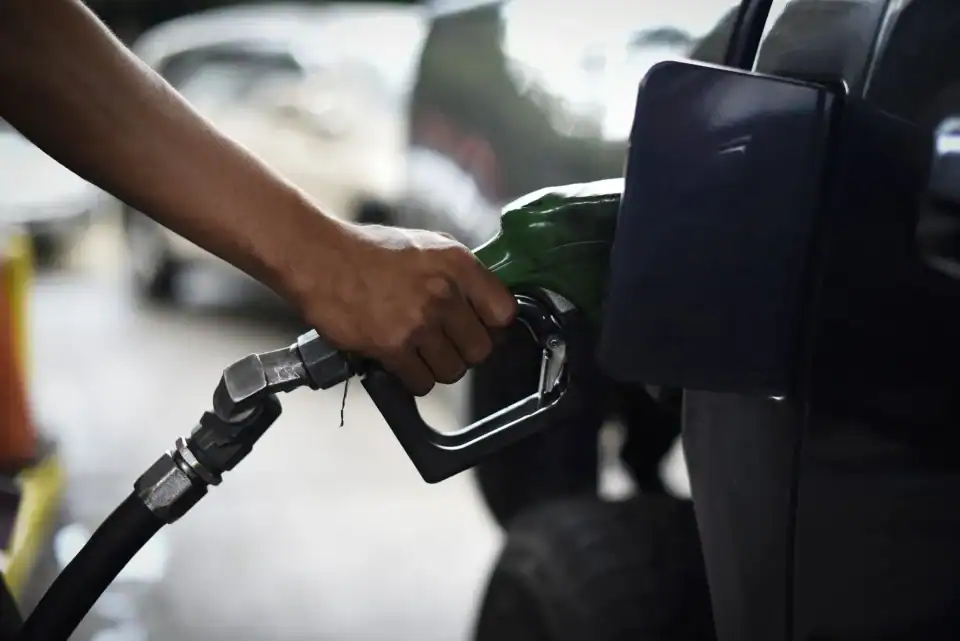
In today’s Bangladesh, the fuel crisis is not just a macroeconomic headline. It is visible in long, unmoving lines at petrol stations across cities, motorcycles, cars, and delivery riders waiting for hours, sometimes an entire day, for a few liters of fuel. Time has become a cost.
And for small entrepreneurs, especially women, that cost is disproportionately high. Bangladesh imports nearly 95% of its energy, leaving it exposed to global disruptions.
The recent geopolitical tensions have translated into fuel rationing, limited purchase quotas, and irregular supply. For large firms, this is an operational inconvenience. For women-led microenterprises, it is a direct threat to survival. Consider the reality on the ground.
A delivery rider waiting four to six hours means missed orders and lost income. A home-based caterer facing LPG shortages means reduced production. Rising transport costs shrink already thin margins in price-sensitive markets. These are not isolated inconveniences.
They are systemic disruptions to how small businesses function. Women’s lifestyle enterprises, home-based catering, tailoring, boutiques, beauty services, online retail operate on tight cash flows and time-sensitive operations.
They rely on steady energy, affordable transport, and predictable schedules. The fuel crisis disrupts all three at once. Unlike large firms, these entrepreneurs cannot absorb shocks. They adapt or they exit.
But adaptation is already underway. Across Bangladesh, women entrepreneurs are quietly reconfiguring their strategies. Some are shifting production to late-night or early-morning hours when electricity is more reliable.
Others are simplifying their products moving toward low-energy offerings such as dry foods, pre-made inventory, or digital services. Many are pivoting to hyper-local and online models, reducing reliance on transport and focusing on nearby customers.
This is not just resilience. It is strategic adjustment under constraint. Yet not all entrepreneurs can pivot equally. Those dependent on mobility and energy-intensive operations are falling behind. The crisis is exposing a deeper divide between those who can adapt and those who cannot.
This is where the issue becomes more than economic. It becomes structural and gendered. Women’s entrepreneurship in Bangladesh plays a critical role in household stability, children’s education, and broader empowerment.
When these enterprises slow down, the impact extends far beyond individual income. It ripples across families and communities.
At the same time, Bangladesh already faces a persistent challenge: many educated women remain outside the formal workforce. The fuel crisis risks pushing even active entrepreneurs backward, unless targeted support is provided.
Current policy responses remain focused on macro-stability: import financing, rationing, and price adjustments. These are necessary, but incomplete. There is a clear blind spot where energy policy meets gender and entrepreneurship.
Fuel shocks are not just energy shocks. They are livelihood shocks. To move forward, the response must shift from crisis management to strategic enablement.
First, support low-energy business models. Incentives for energy-efficient tools, such as induction cooking or solar solutions can reduce dependency on volatile fuel supplies. Second, invest in digital capability. Bangladesh’s expanding digital infrastructure offers a powerful buffer.
Training women entrepreneurs in e-commerce, digital payments, and online marketing can reduce reliance on physical mobility. Third, strengthen localized market ecosystems. Encouraging neighborhood-based supply chains and cluster-based entrepreneurship can minimize transport dependency and build resilience.
Finally, consider differentiated access for livelihood users. Fuel queues are not just an inconvenience; they represent lost productive hours. Ensuring access for micro-entrepreneurs can protect economic activity at the margins.
Every crisis reorganizes economic behavior. Bangladesh’s fuel shortages are doing exactly that forcing efficiency, accelerating digital shifts, and exposing structural gaps. The real question is whether this transformation will be inclusive.
Today’s image of Bangladesh may be one of waiting long lines, delayed movement, uncertain supply. But beneath that stillness, something more dynamic is unfolding. Women entrepreneurs are adjusting, improvising, and in many cases, reinventing their business models under pressure.
The challenge is not only to manage the crisis. It is to ensure that those standing in these queues are not left behind in Bangladesh’s next phase of growth.