

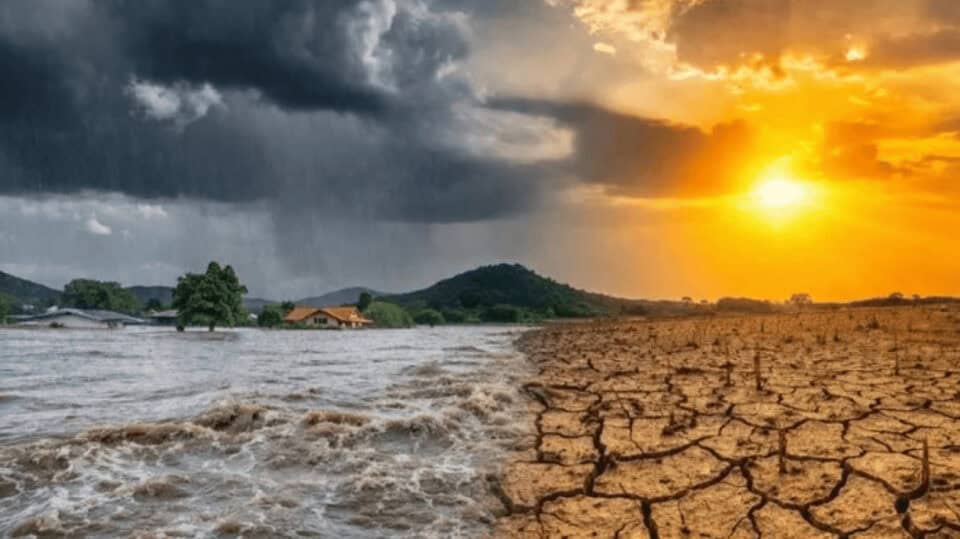
Local and global researchers and economists have warned that Bangladesh’s farming sector might face a big, long-term problem. This is due to changes in the climate and the stronger El Niño effects in the Pacific.
Global weather experts predict that this natural cycle could become very strong in the next few months. This will greatly affect the main crops and the rural economy.
Impact on Agriculture and Fertilizer Management: Recent assessments by the World Bank and the World Food Program (WFP) indicate that the shock of climate change will not be limited to weather patterns alone; it could destabilize the country’s entire food supply chain:
Irrigation problems for Boro and Aman crops: Growing Aman and Boro rice, which needs a lot of water and irrigation, is key to Bangladesh’s food safety. If El Niño leads to a lack of rainfall or erratic monsoon behavior, farmers will face an abnormal rise in irrigation and production costs.
High Fertilizer and Fuel Prices: Agricultural production costs are already surging due to rising fertilizer prices in the international market and the country’s heavy reliance on imported LNG and fuel. If droughts and heatwaves from El Niño worsen this situation, food production at home could be affected, and prices of basic goods could go up even more.
Conclusion and Green Page Perspective: Conventional agricultural policies alone will not suffice to tackle this global climate shock.
Green Page thinks that stopping this possible food crisis needs active steps, like supporting drought-resistant rice types, using surface water wisely, and giving farmers quick help and funds.