

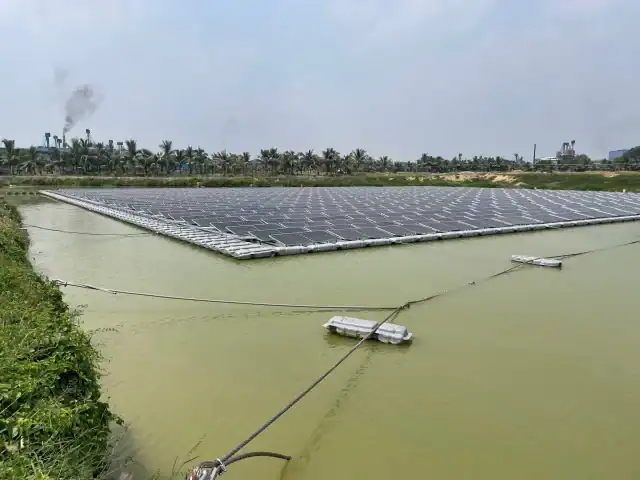
Bangladesh has taken a groundbreaking step in expanding renewable energy. On the vast waters of Kaptai Lake in Rangamati, the country’s largest Floating Solar Power (Floatovoltaic) Project has been installed.
This initiative not only generates eco‑friendly electricity but also prevents water evaporation, helping stabilize the output of the hydroelectric plant during the dry season.
Dual Benefits of Technology (Research & Solution)
- Enhanced panel efficiency: Being in contact with water keeps the solar panels naturally cool, which increases their electricity generation capacity by about 10–15% even in extreme heat.
- Water conservation & ecosystem support: The panels create shade on the lake’s surface, reducing evaporation. They also prevent excessive algae growth, maintaining oxygen levels in the water — highly beneficial for the lake’s fisheries.
Future Prospects
Following the success of the Kaptai Lake model, the government plans to expand floating solar projects to other large water bodies and irrigation canals across the country, reducing pressure on land use.
Significance
The floating solar power project is a milestone in Bangladesh’s green energy sector. It will play an extraordinary role in combating climate change and ensuring sustainable energy security.