

Today is April 22, World Earth Day.
Since 1970, Earth Day has been celebrated on April 22 every year.
This day is being celebrated through various programs led by EARTHDAY.ORG to raise awareness of the global environment.
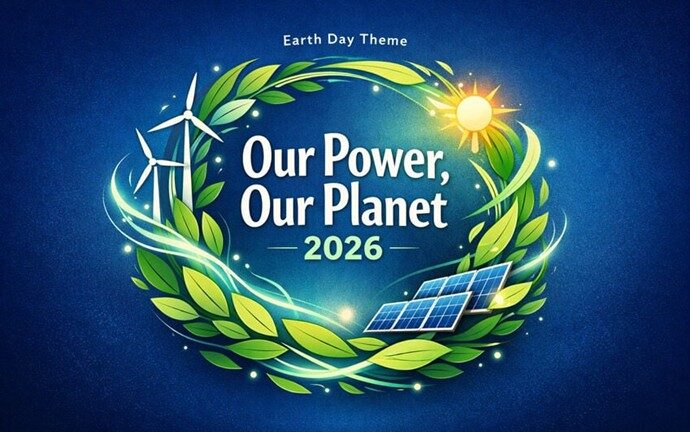
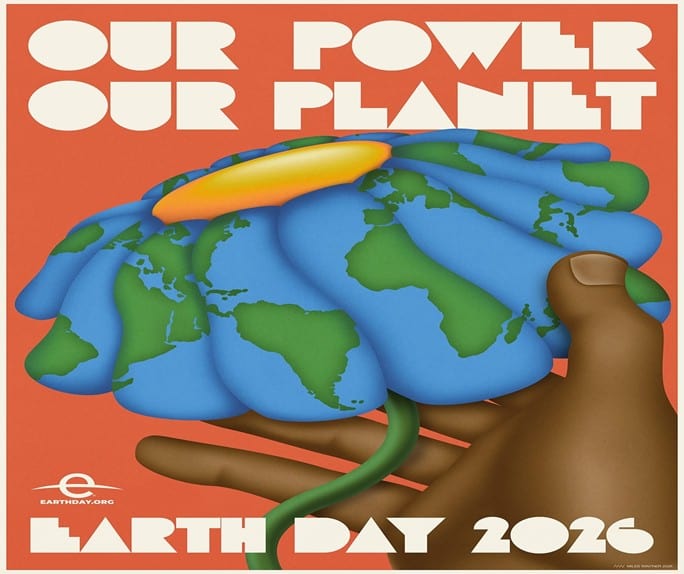
The theme for Earth Day 2026 is “Our Power, Our Planet.” This is the same as 2025’s theme, but it focuses on today’s global economy, environment, and community issues.
Right now, systems that protect the environment are facing stress from economic issues, conflicts, climate change, and shifting political priorities. In many countries, regulatory frameworks governing air quality, water security, land use and energy systems are under review or revision.
Environmental policies are affecting the costs of households, local governments and national economies. These policy changes are affecting service prices, agricultural productivity, insurance availability, disaster recovery costs, and public health systems. While institutional capacity varies, social engagement provides an effective mechanism for maintaining consistency and accountability.
“Our Power, Our Planet” emphasizes the proven impact of collective action, extending beyond formal governance structures, on influencing environmental outcomes. In many regions, where the impact is most directly felt, public participation has influenced standards, implementation, and local implementation.
World Earth Day 2026: Earth Day is celebrated on April 22 each year. It is now the world’s largest environmental celebration, bringing together more than a billion people in 193 countries. It is a day of celebration, but also a day of awareness-raising, action, and learning.
It encourages policy change and inspires people to care for the planet. Earth Day started as a small local event in 1970. Now, it is a strong call for action around the world. Each year, it reminds us how beautiful and delicate our planet is. It urges everyone to take steps, big or small, to help protect it.
Earth Day is about making people aware of the urgent need to save natural resources for future generations. This need is getting stronger. From climate change and deforestation to pollution and biodiversity loss, the world faces unprecedented challenges.
Yet, the day also brings a glimmer of hope. It is a time for everyone to act together. It is an opportunity for people, communities, and governments to come together and pledge to protect nature.
Earth Day began in the United States in 1970. Back then, people were noticing environmental issues, but there was no shared national place to voice these worries.
The movement was led by Gaylord Nelson. He was motivated to hold a big public rally after seeing the damage from the 1969 Santa Barbara oil spill.
On April 22, 1970, almost 20 million Americans, like students, activists, and everyday people, went out to the streets, parks, and schools. They protested environmental neglect and called for better protection of the planet. Thus was born Earth Day as a grassroots environmental movement.
The power of that first rally helped pass important environmental legislation in the United States. This included the United States Environmental Protection Agency and laws like the Clean Air Act and the Clean Water Act.
By 1990, Earth Day became a worldwide event. It brought together almost 200 million people in over 140 countries. It is now run by EARTHDAY.ORG and celebrated in more than 190 countries, making it the world’s largest civic celebration.
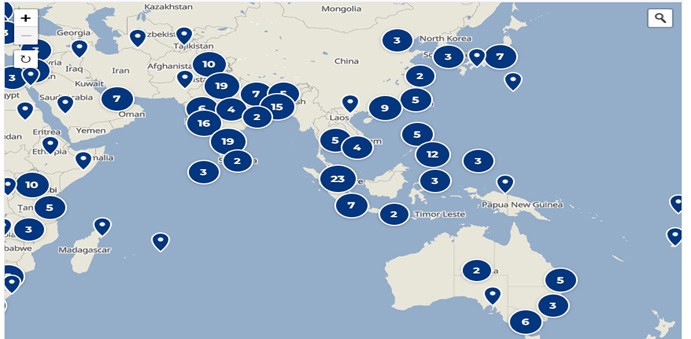
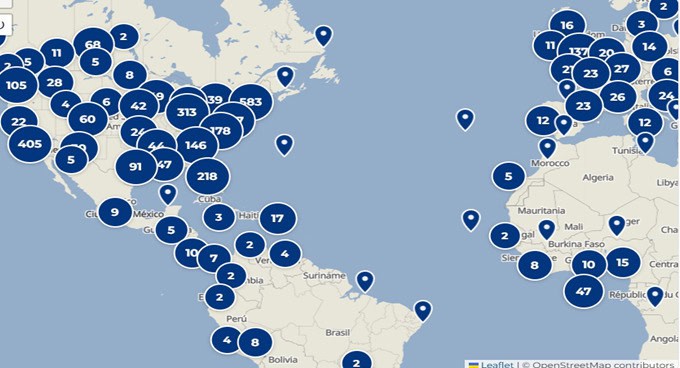
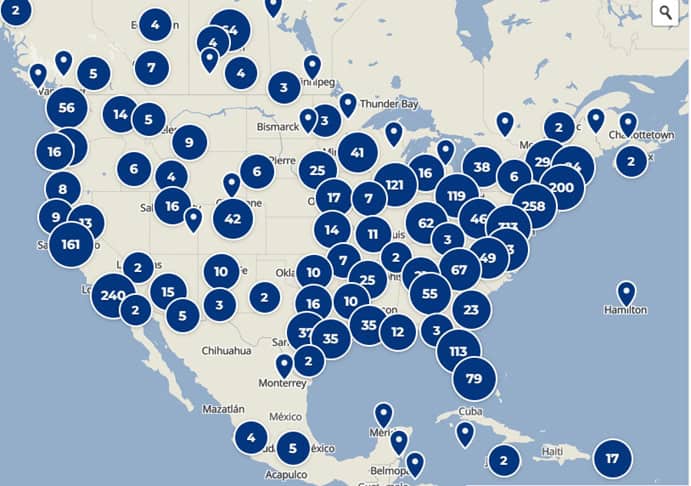
vents around the world include planting trees, cleaning up, climate marches, educational talks, and eco-friendly projects in companies and communities. Digital activism has also grown rapidly, allowing people to participate online through webinars, social media campaigns, and pledges. Here’s how you can do your part.
With over 10,000 events, EARTHDAY.ORG’s 2026 event map highlights the power of collective action around the world. Below is the full schedule of events for Earth Day celebrations.
Curtesy:
- EARTHDAY.ORG
- NTD New