

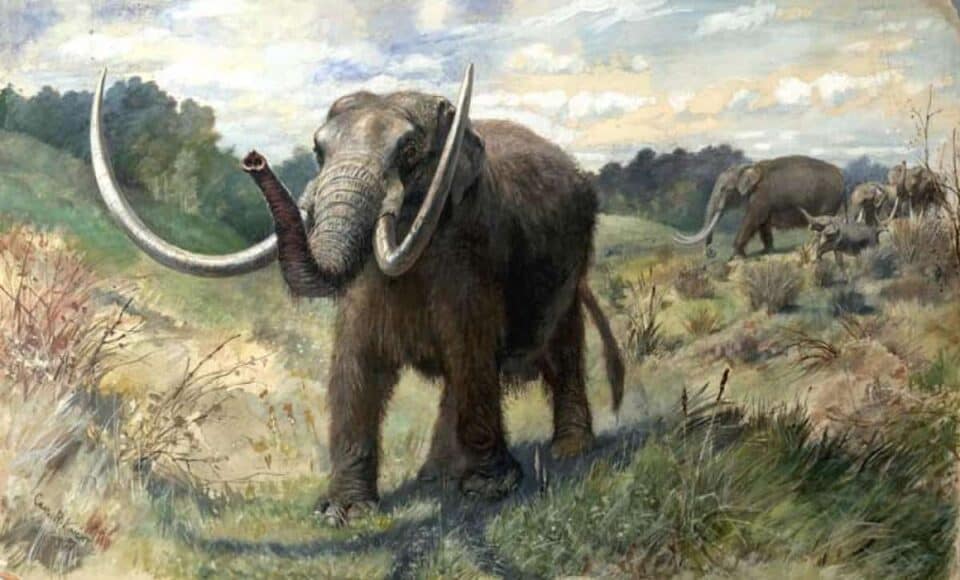
The science fiction movie ‘Jurassic Park’ is no longer just a fantasy. In early 2026, Texas-based company ‘Colossal Biosciences’ made a groundbreaking announcement.
Researchers have developed a hybrid Woolly Mammoth embryo and anticipate the first baby by 2027. This effort is part of a controversial trend called ‘De-extinction,’ aimed at combating climate change by bringing back extinct species.
The scientists plan to release these mammoths into the tundra regions of Siberia and the Arctic. But why? There is a wonderful scientific theory behind this. Global warming is causing the Arctic permafrost to melt, releasing significant amounts of methane gas.
When mammoths roam on this ice and harden it by trampling it, it will help keep the temperature below the ground cool. The main goal of reviving extinct animals is to naturally protect the North Pole’s ice.
The moral debate over this initiative is fierce. On the one hand, many environmentalists are criticizing it as a ‘God complex’ or human intervention in nature. They say, isn’t it wise to spend these billions of dollars to protect the current endangered animals?
Supporters argue that humans caused these animals’ extinction, creating a moral obligation to bring them back and restore ecological balance.