

Carbon Capture and Storage (CCS): International Debate over ‘Moral Hazard’ of Maintaining Fossil Fuels
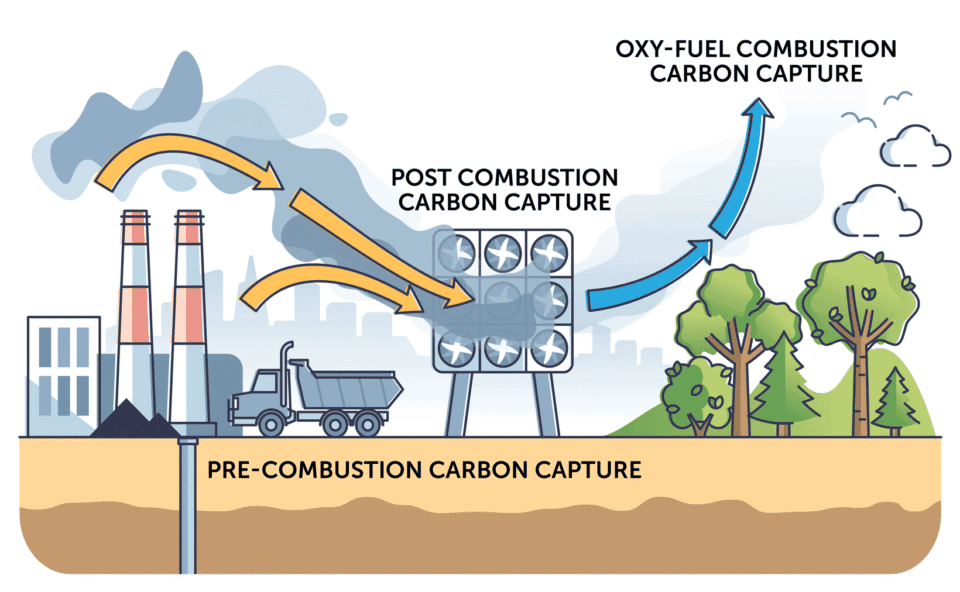
Carbon capture and storage (CCS) is a key technology for reducing carbon dioxide emissions and combating climate change. However, its broad adoption has sparked significant discussions about potential moral hazards within the international community.
Critics argue that this technology may allow the fossil fuel industry to keep operating, undermining the motivation to lower carbon emissions lity and Equity’. The question arises: Who should bear the costs of installing and operating this expensive technology? Those who have gained the most from fossil fuels and caused the highest carbon emissions should pay the costs.
Long-term management of underground carbon storage sites and the risk of leaks is seen as a type of intergenerational injustice.
In addition, the question of environmental justice is also very important. The installation of DAC (Direct Air Capture) or CCS infrastructure requires vast amounts of land, water and energy. These industrial facilities are often located near vulnerable or marginalized communities, which can impose additional environmental burdens on local people.
Scientists urge that the risks and benefits of these technologies be evaluated not just technically, but also through an ethical framework focusing on justice, transparency, and accountability.