

More Than a Roof: The Hidden Needs Inside Cyclone Shelters
Bangladesh is one of the most cyclone-prone coastal countries in the world. Every year, strong cyclones hit the coast, bringing storm surges and high tides that damage lives, homes, and livelihoods.
Despite advancements in early warning systems, ensuring safe and dignified evacuation for rural coastal communities remains a major challenge.
Most rural households in coastal Bangladesh are constructed with weak materials such as mud, bamboo and corrugated iron sheets. These houses are highly vulnerable to strong winds and tidal surges.
Cyclones force families to evacuate and stay displaced for 7–10 days or longer while they rebuild or repair their homes. During this period, cyclone shelters or evacuation centers become their temporary homes.
The Gap Between Shelter and Safety
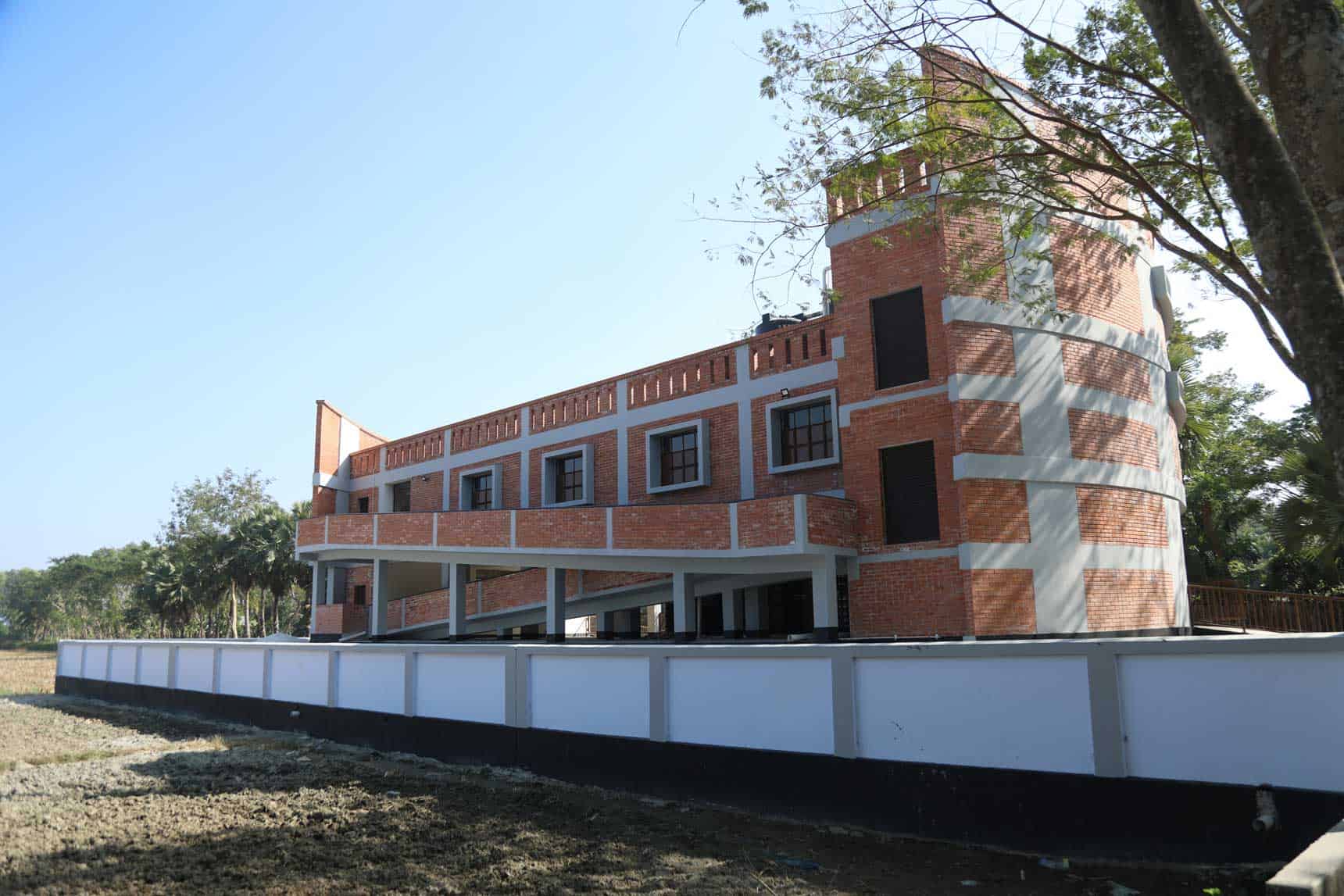
Bangladesh has made commendable progress in constructing cyclone shelters, many of which are designed as school-cum-cyclone shelters. Many of these structures only serve as emergency shelters and lack basic facilities for safe and dignified living.
Inadequate safety, security, privacy, and hygiene especially impact women, girls, children, the elderly, and people with disabilities. Overcrowding, inadequate sanitation, poor lighting, and insufficient medical support often deter vulnerable groups from using shelters, endangering their lives.
Essential Features of a People-Centered Cyclone Shelter
Cyclone shelters should be more than just concrete buildings: they need to be livable, inclusive, and resilient spaces that provide safety, dignity, and accessibility for everyone. A people-centered cyclone shelter should include a rainwater harvesting system for safe drinking water and provide open space for livestock, as animals are vital to rural livelihoods.
Essential emergency response tools include hand microphones, torches, whistles, umbrellas, life jackets, buoys, safety vests, and gumboots for effective preparedness and rescue operations.
Ensuring privacy and protection is critical, particularly for women and girls. Shelters should have separate rooms for men and women, a breastfeeding area for mothers, and separate sanitation facilities with showers for both genders.
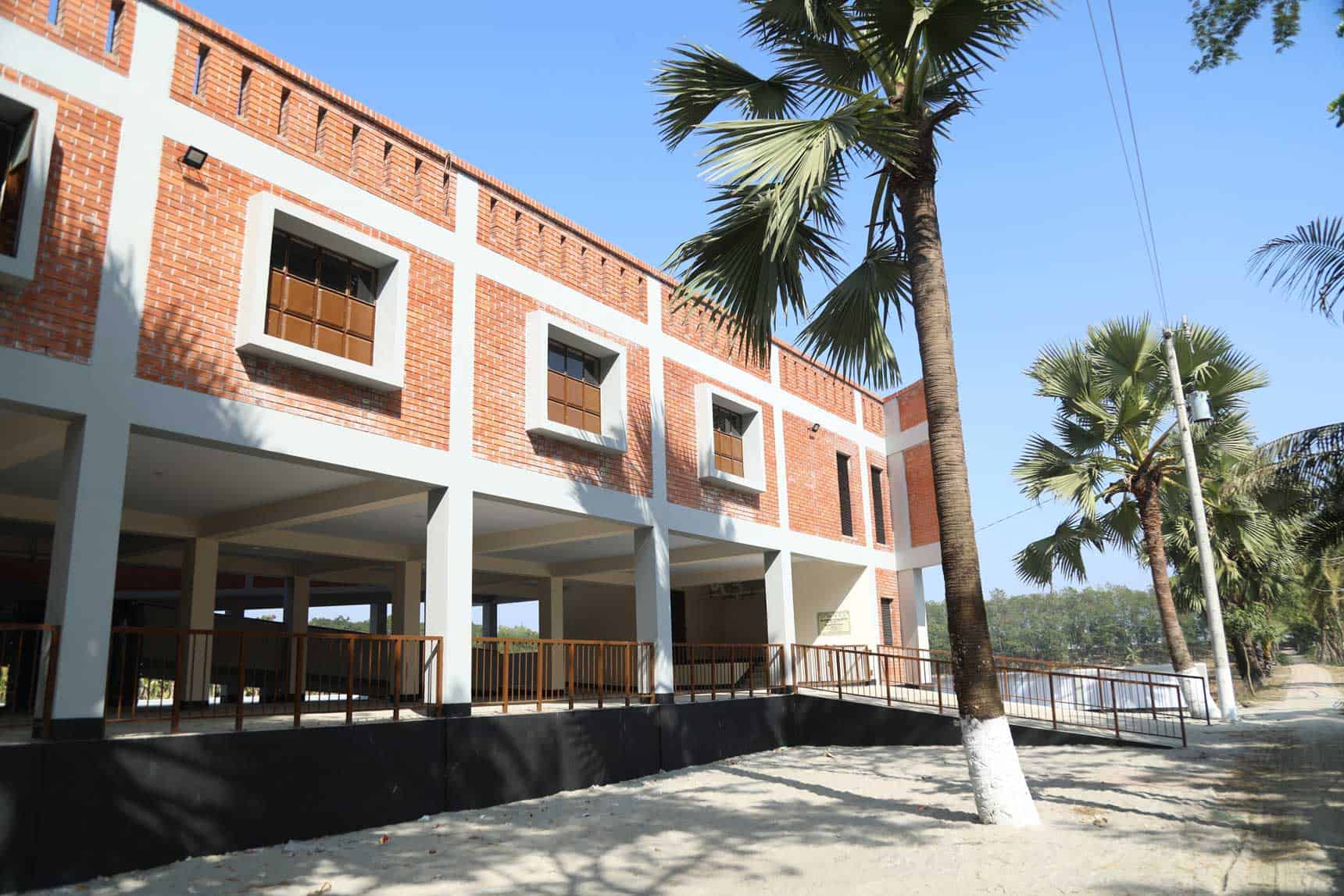
Disability-friendly toilets and ramps are necessary to ensure access for elderly people and persons with disabilities. A medical consultation room should be equipped for first aid and emergencies, with reliable electricity backup from generators and solar power.
Cyclone shelters can promote sustainability by incorporating biogas plants that use human waste, supporting safe sanitation and renewable energy production. Effective communication and coordination require a signal flag stand and a public announcement and miking system.
Shelters must have designated food storage, a proper waste management system for hygiene, and a large “S” sign on the roof for easy identification by aircraft during emergencies.
From Cyclone Shelter to Community Life and Livelihood Center
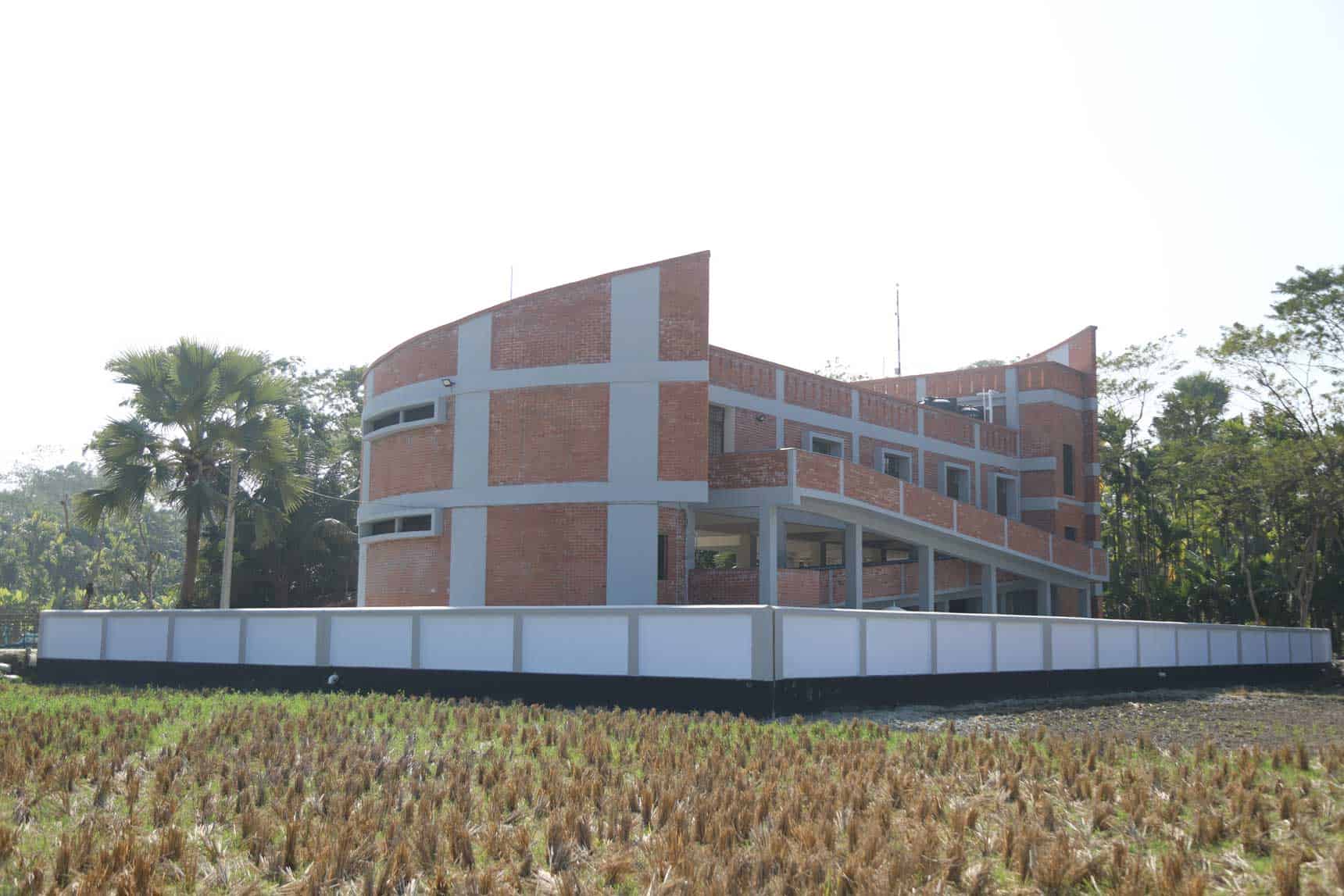
Many existing shelters remain unused for most of the year. This presents an opportunity to transform them into community life and livelihood centers that are actively connected to local people.
These spaces can host community festivals, cultural events, marriage ceremonies, village meetings, social gatherings, and NGO training sessions. By generating small-scale revenue from such activities, shelters can cover basic maintenance costs, ensuring long-term functionality and sustainability.
Strengthening Local Management and Ownership
Effective management is as important as infrastructure. Cyclone shelters should be closely linked with: Ward Disaster Management Committees (WDMC), Cyclone Shelter Management Committees (CSMC). Strong community ownership, clear roles, regular drills and transparent maintenance mechanisms can significantly improve preparedness and trust.
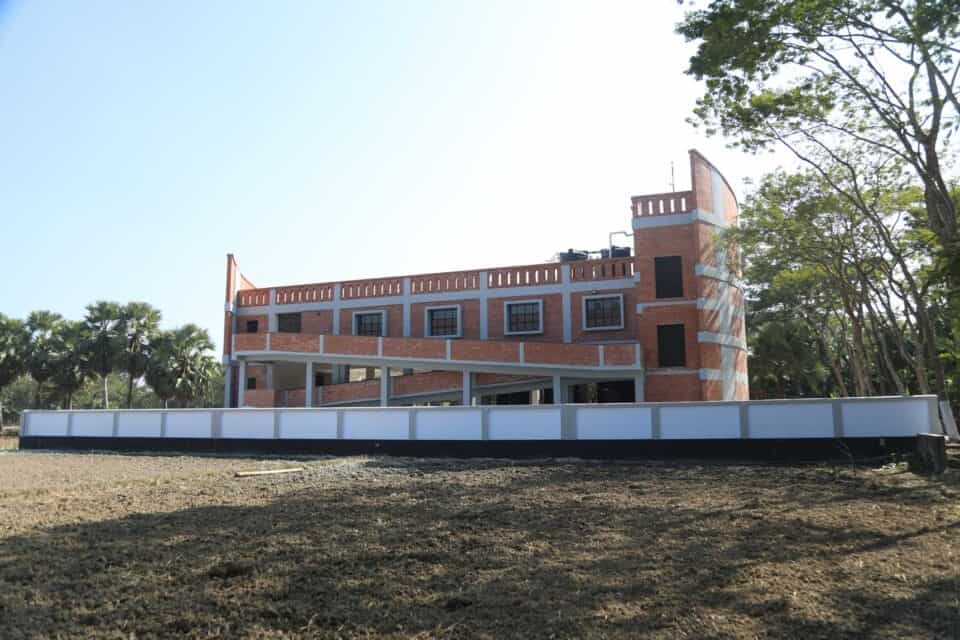
The Christian Commission for Development in Bangladesh (CCDB) has built several cyclone shelters in coastal Bangladesh that prioritize the safety, dignity, and inclusiveness of vulnerable communities, going beyond just emergency evacuation.
These shelters show how good design and community planning can turn cyclone shelters into effective, livable, and resilient spaces during disasters. The CCDB experience provides valuable insights that government agencies and NGOs can use when building new shelters or improving existing ones.
Author introduction:
Interim Coordinator – Resilience Building
Climate Change Program, CCDB