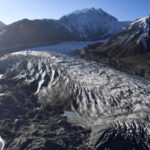

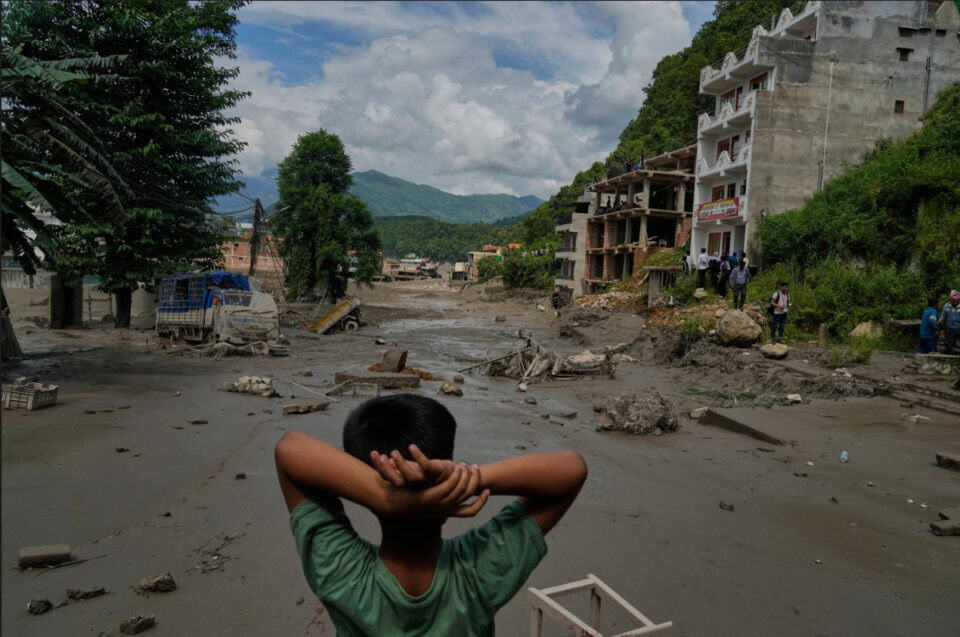
Nepal, the daughter of the Himalayas, has witnessed the deadly and destructive form of climate change. On 26 August 2026, a quick and tragic glacier fall happened in Tibet, close to Nepal and China, and the severe flash floods that followed have wrecked the entire region.
Many villages, roads, bridges, and hydro power projects have been swept away by the quick rise in the water level of the Trishuli River, which runs through the Likhu Khola and the Bhotekoshi Rivers.
Cause and damage picture of the disaster: The United States Geological Survey (USGS) and global researchers say it was not just a regular flood from rain or a lake burst. It was really caused by a huge glacier avalanche in the mountains. This catastrophe occurred as a result of the collapse of a huge glacier in the high mountainous region:
Glacier avalanche and torrential flow: A large block of ice and rocks suddenly collapsed from a height of about 5,200 meters and crashed into the mountain valley. The resulting intense debris flow or stream of debris instantly flooded the low-lying areas by about 9 meters in just half an hour.
Deaths and missing: Several areas such as Timure and Siyaprubesi by the Nepal–China border, along with the Rasua, Nuwakot, Dhading, and Gorkha districts, plus the Gyirong port on the China–Nepal border suffered heavy damage. More than 150 people have been reported dead in this flash flood so far, and hundreds of people, including domestic and foreign tourists and pilgrims, are missing. The Nepalese army and rescue workers are jointly conducting rescue operations.
Power and infrastructure destruction: At least 12 hydroelectric projects located in the mountainous region, as well as about 19 bridges and more than 40 kilometers of road communication systems, have been destroyed, cutting off communication with the rest of the country in the region.
The ice in the Himalayas is melting quickly from global warming. This makes sudden glacier landslides and disasters more likely each day.
Green Page believes the global community should quickly invest more and do more to protect the Himalayan ecosystem and enhance the Early Warning System.