

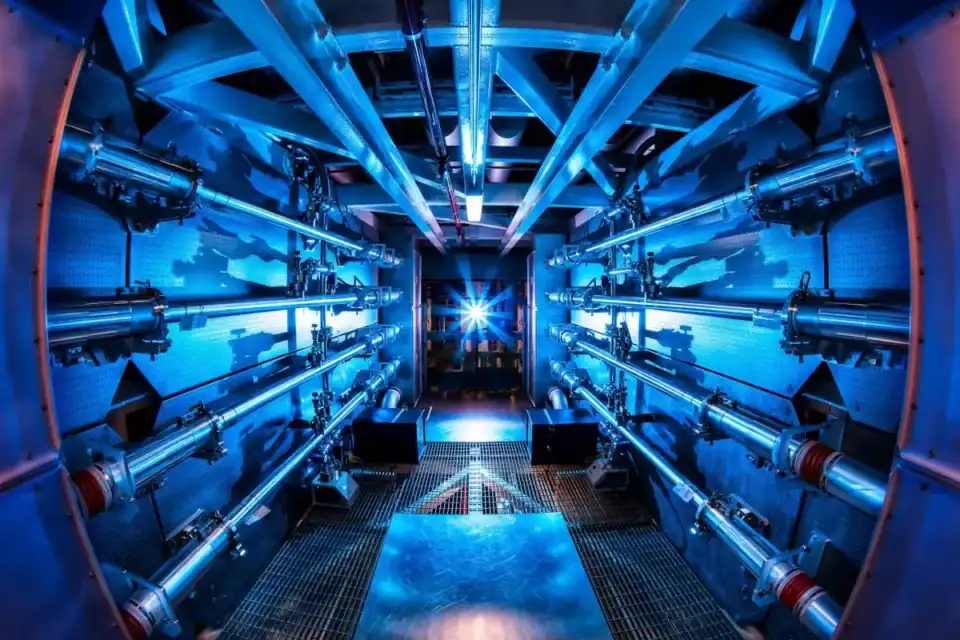
Mid-2026. A message from the International Thermonuclear Experimental Reactor (ITER) on the southern coast of France has shocked the world. Scientists have successfully maintained a fusion reaction for over an hour, achieving a net energy gain for the first time.
Nuclear fission (which is what currently powers our power plants) creates energy by splitting atoms, which creates radioactive waste. But fusion is the power of the sun—where hydrogen atoms combine to form helium, releasing enormous amounts of energy. There is no radioactive waste, no fear of meltdown.
By 2025, our research indicates that advancements in artificial intelligence (AI) and superconducting magnet technology have improved the control of temperature and plasma in fusion reactors. This 2026 breakthrough proves that we can power the world for billions of years with hydrogen from seawater.
This is the final death knell of the oil and gas era. Major oil-producing countries are now desperately looking for alternatives to save their economies. Will this technology be accessible to everyone, or will it be limited to developed countries?