

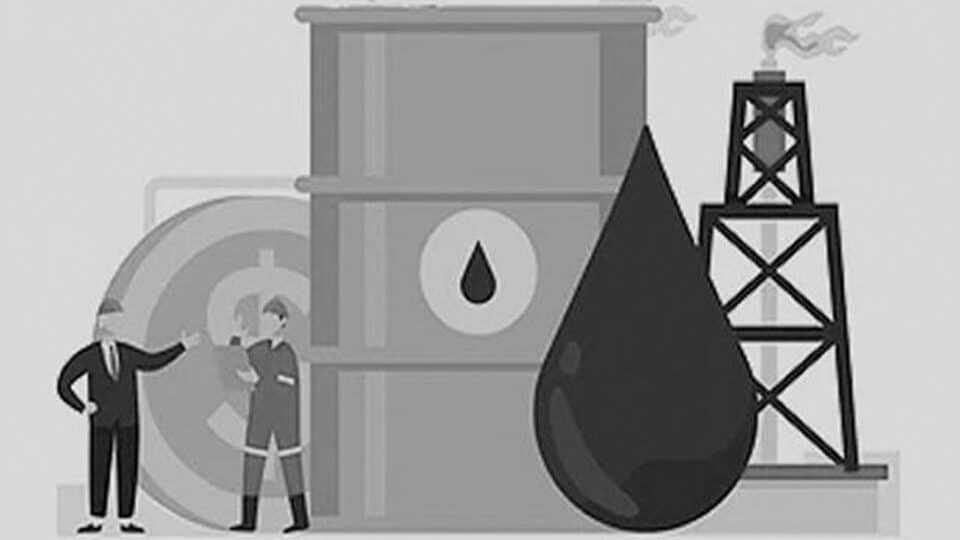
Due to current global geopolitics and instability in the Middle East, fuel and oil prices in the international market have skyrocketed. This has had a direct impact on the economy of Bangladesh.
Due to the gas and diesel crisis, load shedding in industrial areas and production costs have increased by approximately 35% to 40%. In this difficult situation, the only way for Bangladesh’s main export sector, especially the Ready-Made Garment (RMG) industry, to survive has become the rapid implementation of a ‘Green Economy’ and renewable energy.
Fuel Crisis and the Real Situation of Factory: The government is struggling to generate electricity due to high international prices for LNG and fuel. Many factories now have to run diesel generators for 4 to 5 hours daily to keep production running.
As a result, the prices of petroleum-based raw materials like poly bags, sewing thread, and cartons have surged. The World Bank and the Asian Development Bank (ADB) have warned in their 2026 economic outlook that if this fuel crisis persists, Bangladesh’s growth could slow down.
Solar Power and the Rooftop Revolution: Amidst this crisis, solar power is emerging as a new ray of hope. Many garment factories are now installing rooftop solar panels on their vast roofs.
- Net Metering Policy: Under the government’s net metering facility, surplus solar power is fed back into the national grid, significantly reducing the factories’ electricity bills.
- International Market Competition: Buyers in Europe and America are now more interested in purchasing products from eco-friendly or ‘green-certified’ factories. The use of solar power is giving Bangladesh a competitive edge.
Future Roadmap: Renewable energy is no longer just an environmental issue; it is part of the country’s economic sovereignty. Learning from this crisis of 2026, the government must reform long-term tax policies to attract foreign investment in solar parks, floating solar projects, and wind energy.